
BASE MILANO DESIGN WEEK 2027
WE WILL DESIGN
APPLY BY 18.12.2026
Open Call for
Applications
Design Week
at BASE Milano
Every year, during Design Week, BASE presents We Will Design ↗, a platform that transforms the spaces into a living lab of prototypes, radical visions and practices.
This is where the in-progress finds space and visibility. New and urgent voices using design as a tool to question the present—and rewrite it in ways that are more equitable, accessible, and conscious.
We Will Design
We Will Design is a large experimental platform produced by BASE Milano. Every year it welcomes and promotes projects by designers from all over the world, schools, universities, international institutions and young students.
An ecosystem of research, residencies, collective projects and experimentation that lives all year round.
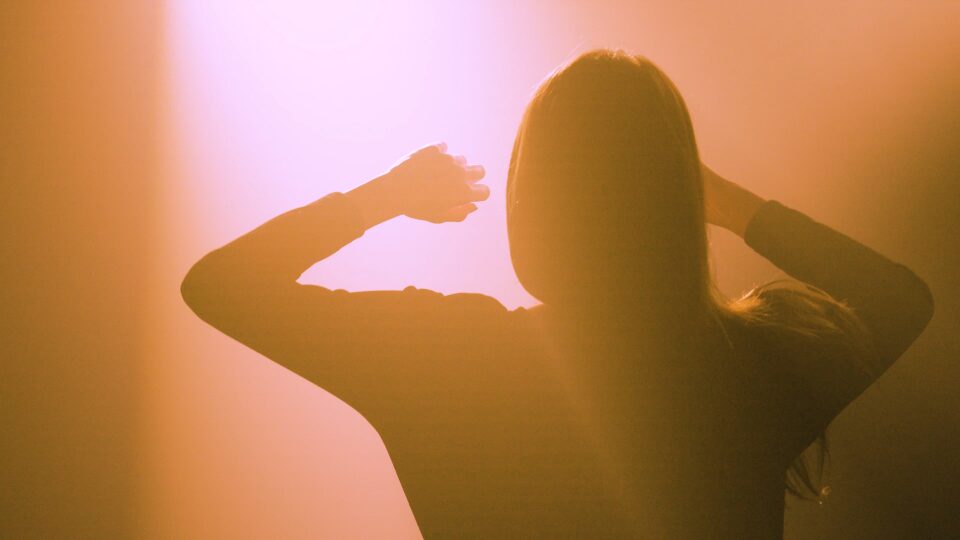
DAYDREAMING
Dreaming with open eyes, situated practices of prefiguration.
A dream takes on a political dimension when it is shared: from a private experience, it becomes a common resource for interpreting the present, as Max Haiven suggests in Dreaming Together. Daydreaming can be read in the same way: a space in which reality temporarily loses its air of inevitability, a margin of slippage between what is and what could be. In the passage from individual perception to word, image, gesture and relation, daydreaming becomes a collective practice of knowledge.
WE WILL DESIGN 2027 /
CURATORIAL FRAMEWORK
In 2027, BASE Milano dedicates its cultural research to daydreaming, understood as a situated, shared, and resistant practice of the imagination.
The theme emerges as a new inflection of the biennial path HELLO DARKNESS, developed in 2026 as a territory of the invisible, the uncertain, of fears and of forces that escape control. If HELLO DARKNESS ↗ moved through darkness without erasing its ambivalence, the 2027 programme seeks to question what can be born within it. What happens if we dwell in uncertainty long enough to generate other images, other desires, other forms of relation.
Daydreaming is a situated act: the images that pass through the mind are already woven through with environments, languages, memories, institutions, and relations of power. Even the capacity to desire depends on the historical and material conditions from which we look at the world.
To think of daydreaming as a situated practice means questioning not its contents, but its conditions: who can afford to dream, where, for how long, sheltered from which pressures? Which imaginaries become shareable, and which remain confined to the invisible? Design enters this field not to illustrate the dream, but to design its conditions of possibility: the spaces, objects, devices, and relations that determine who imagines, what, and with which tools. The four lines that follow are as many fields of intervention on these conditions.
This is not about imagining an abstract elsewhere, but about recognizing the lateral possibilities hidden in practicing the otherwise, the unexpected relations and forms of life already present, if fragile, intermittent, or incomplete. Daydreaming thus becomes an exercise in displacing the gaze, escaping predetermined solutions, and making other ways of inhabiting the present perceptible.
What
DAYDREAMING
feels like?
Dreaming Commons
The dream as shared infrastructure, not private refuge: who today has access to the time, space, and words to imagine a public future, and who remains excluded from it? We are looking for projects that treat imagination as a resource to be redistributed: common spaces, participatory devices, formats that open up the right to dream to those who are not normally addressed—from the neighbourhood to the school, from the workplace to the city.
Synthetic Reveries
The increasingly thin line between desiring and being predicted by an algorithm: what remains unpredictable when machines anticipate what we might want? We are looking for devices, speculative objects, and design fiction that test this line: prototypes that simulate non-optimised futures, interfaces that make visible the difference between dreaming and being profiled, design exercises that bring the incalculable back to the centre.
Other Ecologies
Relations with matter, territory, and non-human forms of life that already exist. Fragile, lateral, rarely designed. We are looking for projects that start from coexistences already under way: practices of care for the land, objects and infrastructures that include the non-human, prototypes that give form to ecologies already present around us.
Soft Revolution
explores the body as a site of intimate dreaming and transformative imagination: a space where desire, pleasure, intimacy, vulnerability and eroticism can challenge norms and open up other ways of being together. Within DAYDREAMING, design becomes a tool to question how objects, environments and interfaces shape what we feel, desire and consider possible. This line involves body design, interaction design, textile and material design, wearable technologies, furniture and spatial design, organic, sound and sensory design, as well as projects addressing care, intimacy and wellbeing. A soft revolution begins in the most sensitive and intimate sphere and yet has the potential to transform how we inhabit spaces, relationships and shared life.
Nightswimming
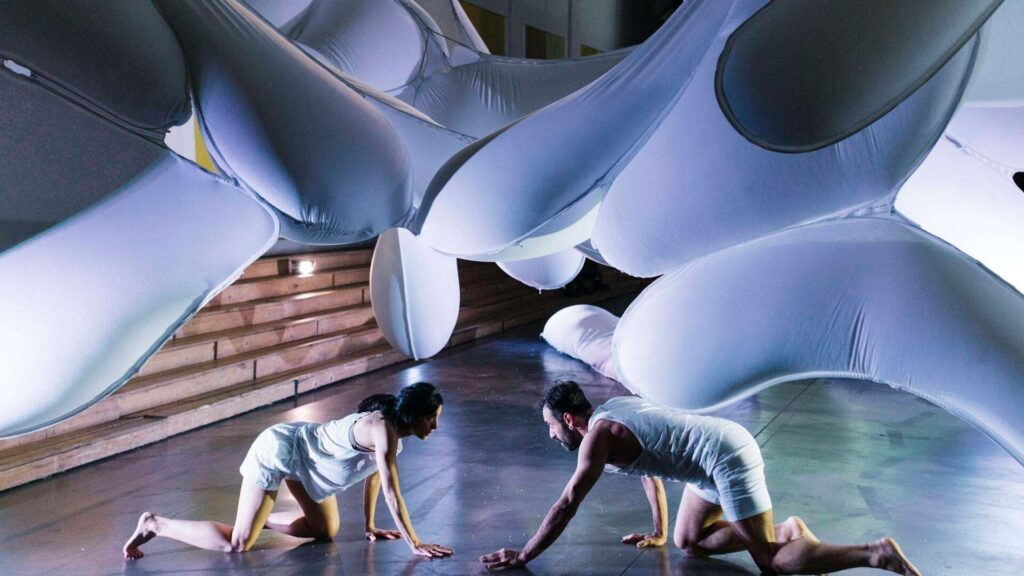
explores the night as a performative and undesigned space: a temporal zone in which routines, functions and social codes loosen, allowing other behaviours, encounters and forms of attention to emerge. In contrast to DAYDREAMING, which works through projection and imagination, NIGHTSWIMMING focuses on immersion, presence and the unpredictable. The night becomes a space not fully scripted in advance, where performance can happen through bodies, sound, movement, darkness, duration and chance. This line may involve performance design, spatial and scenographic design, sound and light design, temporary architecture, club and nightlife cultures, choreographic practices, urban interventions and immersive environments. Night as an open score, where what matters is not only what is designed, but what is left intentionally undesigned.
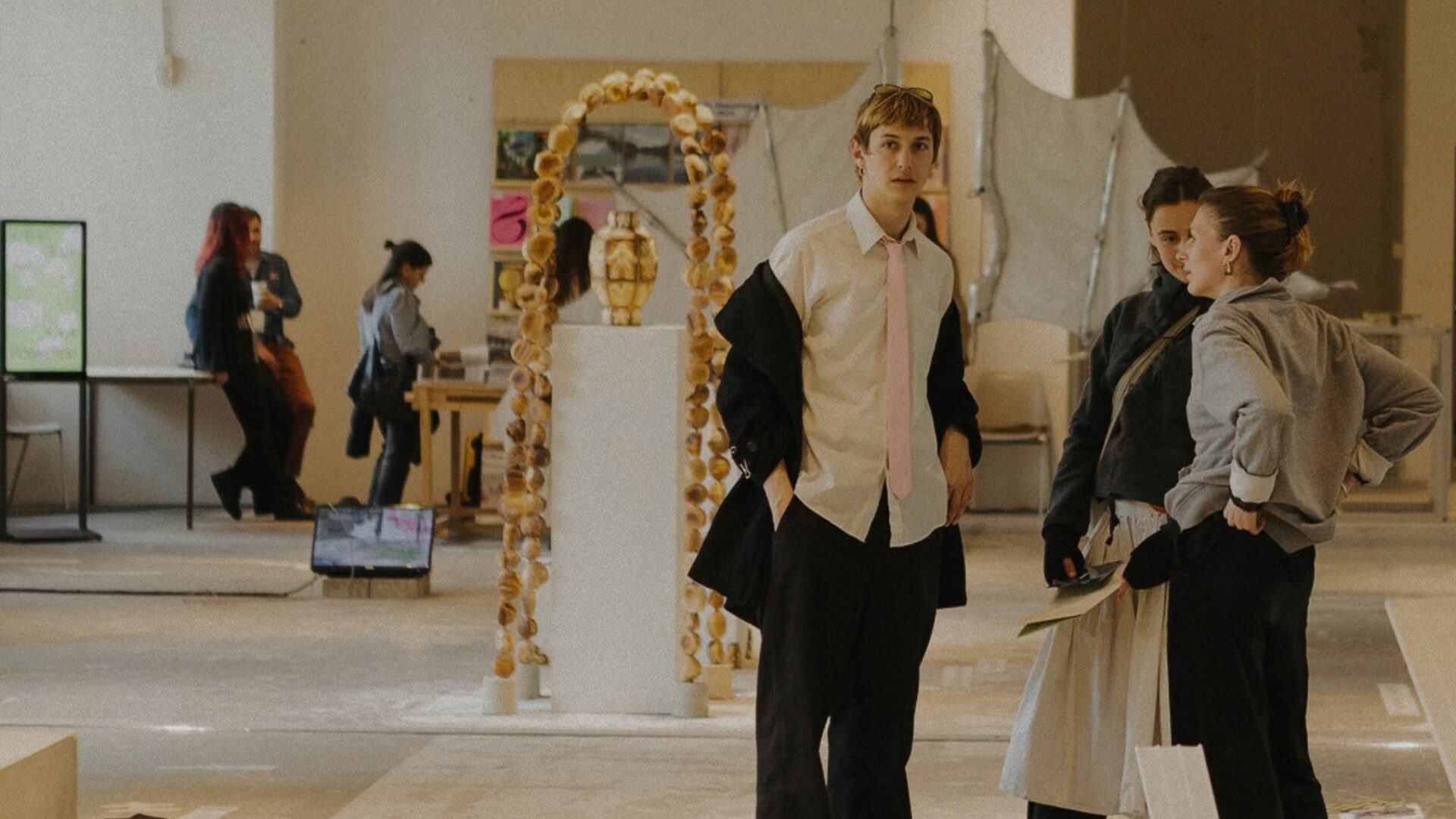
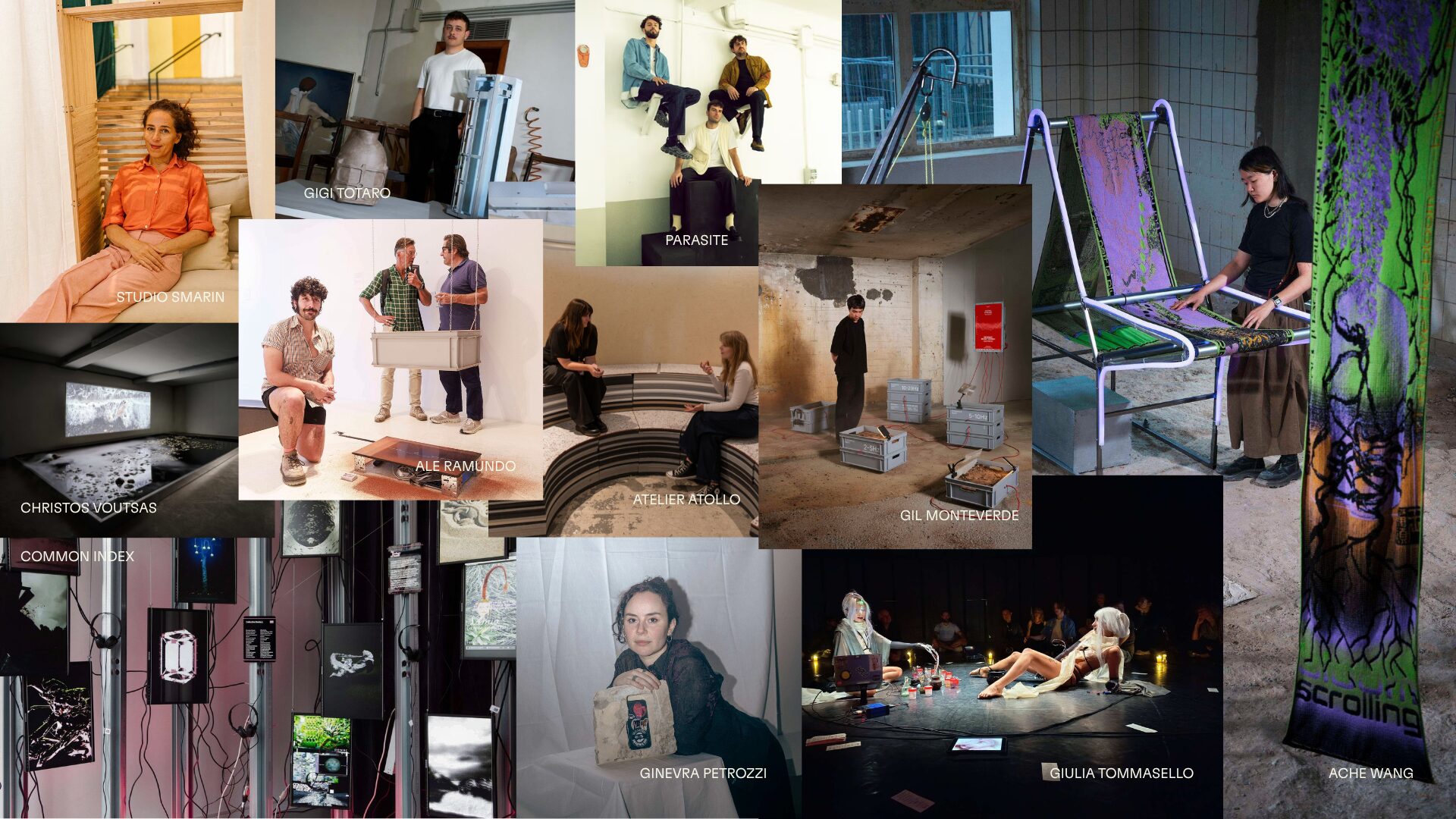
People &
Projects
Participating to We Will Design @ BASE
means building meaningful connections and opportunities.
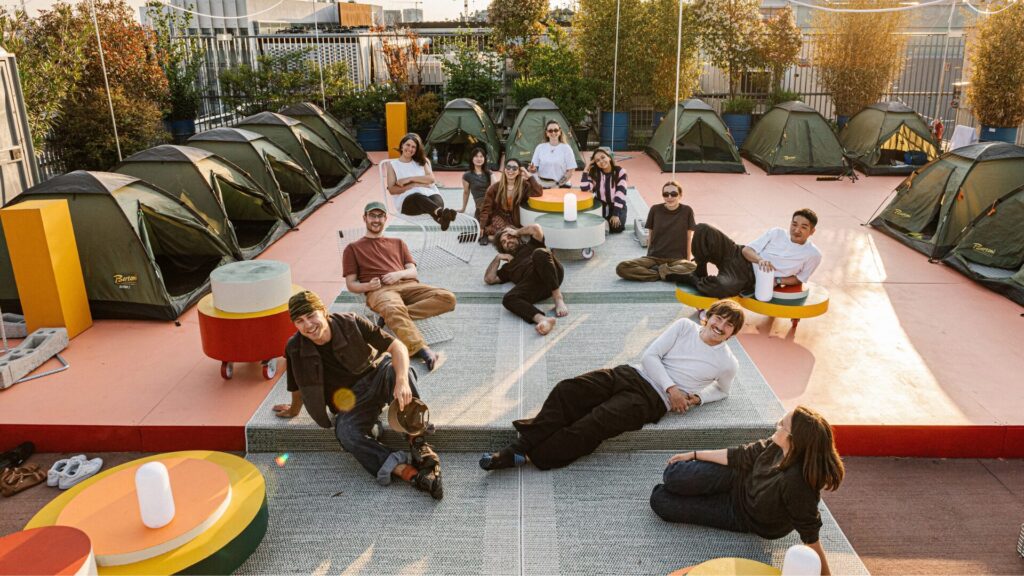
Have a look on people and projects from the last edition ↗
How to apply
The call will remain open until 18th of December 2026.
After a careful process of assessment and selection, BASE will provide applicants with feedback by the end of January 2027 as latest. An ecosystem of research, residencies, collective projects and experimentation that lives all year round.
Would you
like to go
in—depth?
A monthly dispatch for those who want to see design through fresh eyes. in–depth is our editorial letter: a curated selection of projects, reflections, collaborations, and stories that explore design as a social, political, and emotional practice.
Each issue is a deep dive into: in-progress research, residencies, recommendations, and open-ended questions. It’s an autonomous editorial space, shaped by the same critical and experimental outlook that animates all of We Will Design.